Water Softener Installation in Cincinnati, OH
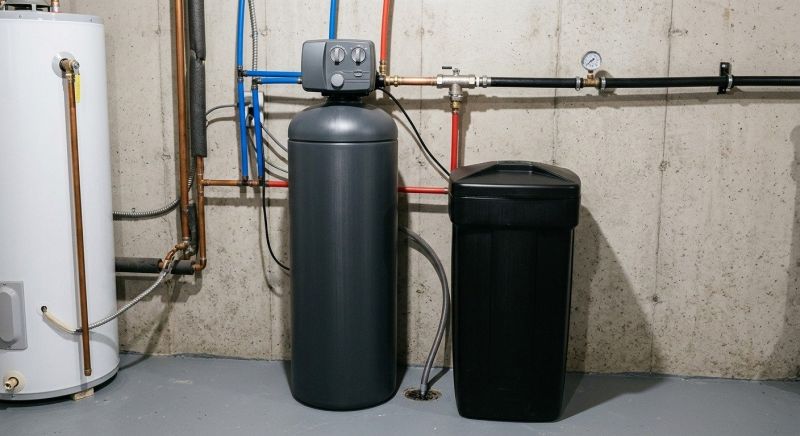
Water softener installation services involve adding a specialized system to a property’s plumbing to reduce the effects of hard water. These systems work by removing minerals such as calcium and magnesium, which can cause scale buildup in pipes, appliances, and fixtures. Projects typically include installing new water softeners for homes experiencing issues with mineral deposits, as well as replacing or upgrading existing units to improve water quality and appliance longevity. Property owners often want to understand the types of water softeners available, the installation process, and how the system can benefit their household by preventing hard water problems.
Before requesting water softener installation, property owners should consider their water hardness levels and whether a treatment system is necessary. It’s useful to know the size of the household, as this impacts the capacity needed for the system. Additionally, understanding the plumbing setup and any local regulations or restrictions can help ensure a smooth installation process. Proper sizing and placement are key factors in maximizing the benefits of a water softener, making it important to gather relevant information before proceeding with a project.
Many property owners in Cincinnati, OH look into Water Softener Installation for repairs, replacements, upgrades, and appearance-related improvements.
Benefits Of Water Softener Installation
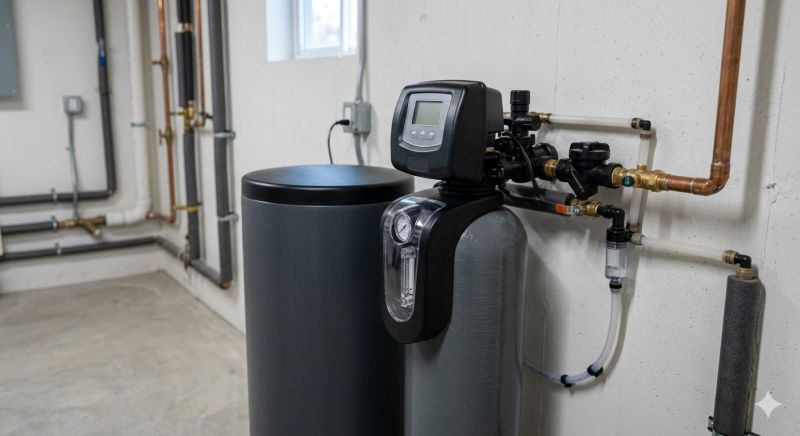
Properly installed water softeners help reduce mineral buildup and improve water quality throughout cincinnati homes.
Common Signs You Need A Softener
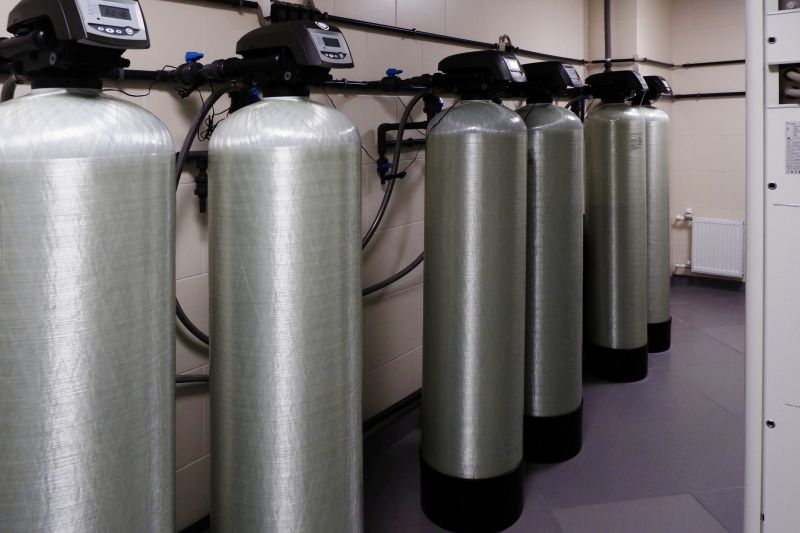
Hard water spots, soap scum, and dry skin are typical indicators that a water softener may be beneficial for your property.
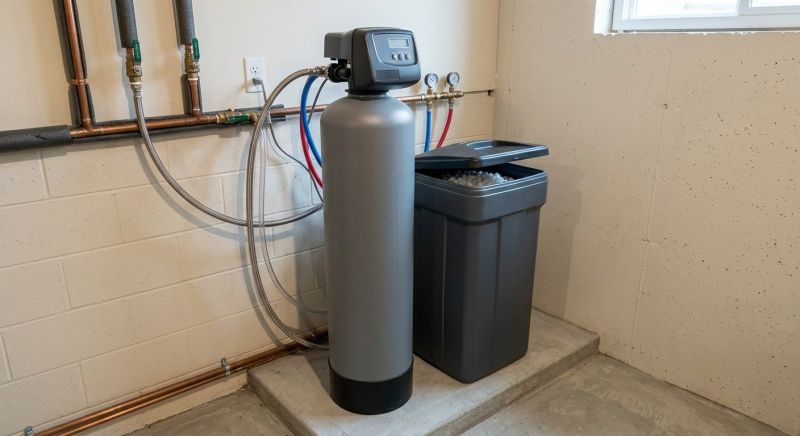
Types Of Water Softeners Available
There are various systems designed to meet different household needs, from salt-based units to alternative softening solutions.
Water Softener Installation in Cincinnati, OH

Water softener installation services involve adding a specialized system to a property’s plumbing to reduce the effects of hard water. These systems work by removing minerals such as calcium and magnesium, which can cause scale buildup in pipes, appliances, and fixtures. Projects typically include installing new water softeners for homes experiencing issues with mineral deposits, as well as replacing or upgrading existing units to improve water quality and appliance longevity. Property owners often want to understand the types of water softeners available, the installation process, and how the system can benefit their household by preventing hard water problems.
Before requesting water softener installation, property owners should consider their water hardness levels and whether a treatment system is necessary. It’s useful to know the size of the household, as this impacts the capacity needed for the system. Additionally, understanding the plumbing setup and any local regulations or restrictions can help ensure a smooth installation process. Proper sizing and placement are key factors in maximizing the benefits of a water softener, making it important to gather relevant information before proceeding with a project.
Many property owners in Cincinnati, OH look into Water Softener Installation for repairs, replacements, upgrades, and appearance-related improvements.
Common Water Softener Installation Jobs
Water Softener Installation - professional setup to improve water quality throughout the home.
Whole-house water softeners - systems designed to treat water for all fixtures and appliances.
Salt-based water softeners - effective solutions for reducing mineral buildup and scale.
Compact water softeners - space-efficient options suitable for smaller properties or utility areas.
Custom water softener systems - tailored installations to meet specific household water conditions.
Water softener upgrades - replacing or enhancing existing systems for better performance.
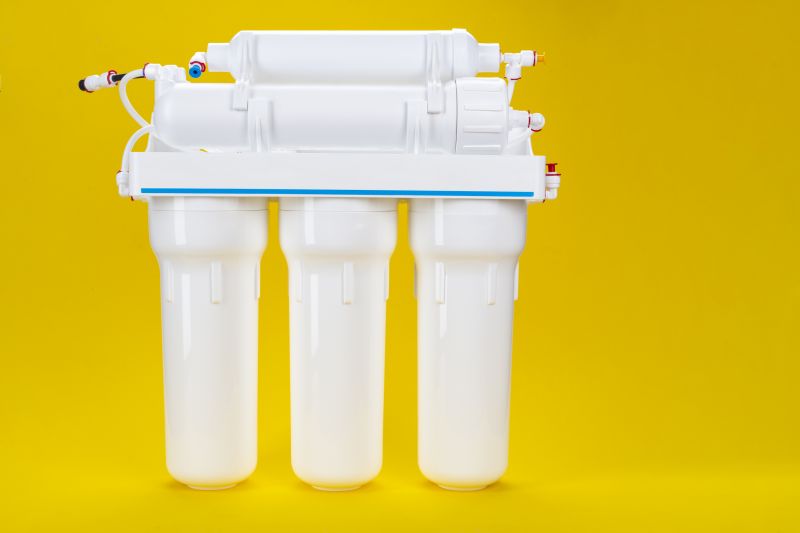
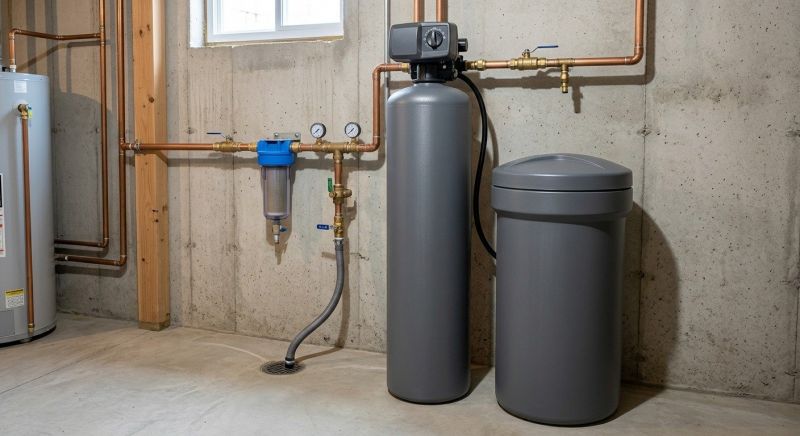
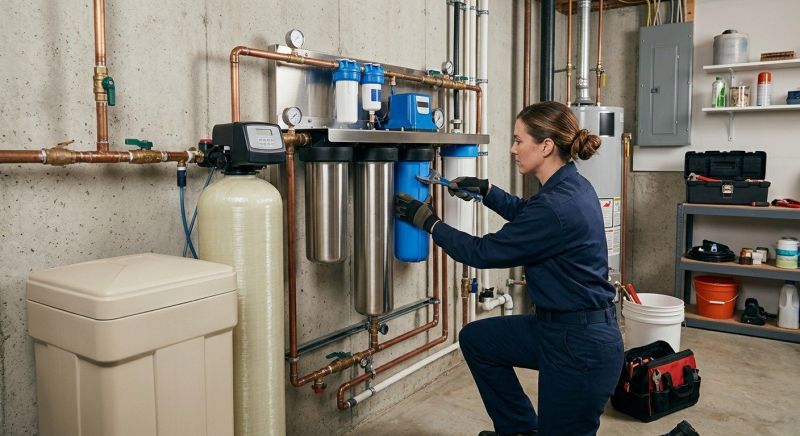
Water Softener Installation Questions
What is a water softener? A water softener is a device that removes minerals like calcium and magnesium from the water supply, preventing hard water issues in the home.
How does water softener installation work? Installation involves connecting the unit to the main water line, allowing it to treat water before it reaches fixtures and appliances.
What are common signs that a water softener is needed? Signs include soap scum buildup, scale on fixtures, and reduced water flow in appliances.
Can a water softener be added to an existing plumbing system? Yes, a water softener can be integrated into existing plumbing with proper connection points.
Request Water Softener Installation in Cincinnati, OH
Use the quote form on this page to share the basics of your project and request more information for the type of work you need.